What a Medical Assistant Training Program Covers in Dallas: Curriculum, Skills, and What to Expect
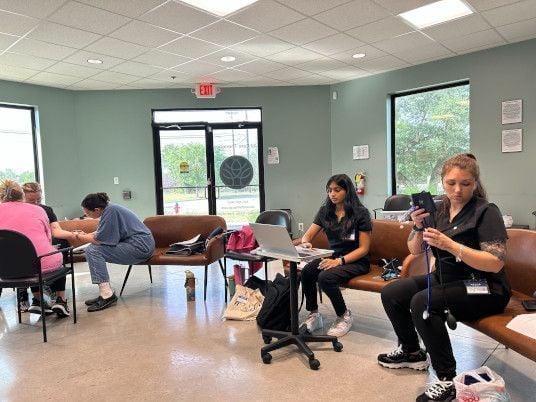
Walk into any busy clinic and you’ll see medical assistants doing a dozen different things — rooming patients, updating charts, drawing blood, answering phones, sterilizing equipment. A medical assistant training program is where you learn all of it, and learn it well enough to do it under pressure.
Here’s a detailed breakdown of what a training program at Dallas Medical Assistant School in Dallas actually covers, how hands-on practice works, and what you should be able to do by the time you finish.
Section 1: Clinical skills you’ll learn
The clinical side of the curriculum focuses on the tasks you’ll perform in exam rooms and labs. Expect to cover:
- Vital signs — blood pressure, pulse, temperature, respiration, and oxygen saturation
- Phlebotomy and specimen collection — drawing blood, labeling tubes, and following chain-of-custody protocols
- Injections and medication administration — intramuscular, subcutaneous, and intradermal techniques (as allowed by state law)
- EKG/ECG basics — placing leads, running a 12-lead EKG, and recognizing common artifacts
- Infection control — sterilization, PPE, sharps disposal, and OSHA compliance
- Assisting with exams and minor procedures — positioning patients, handing instruments, and maintaining sterile fields
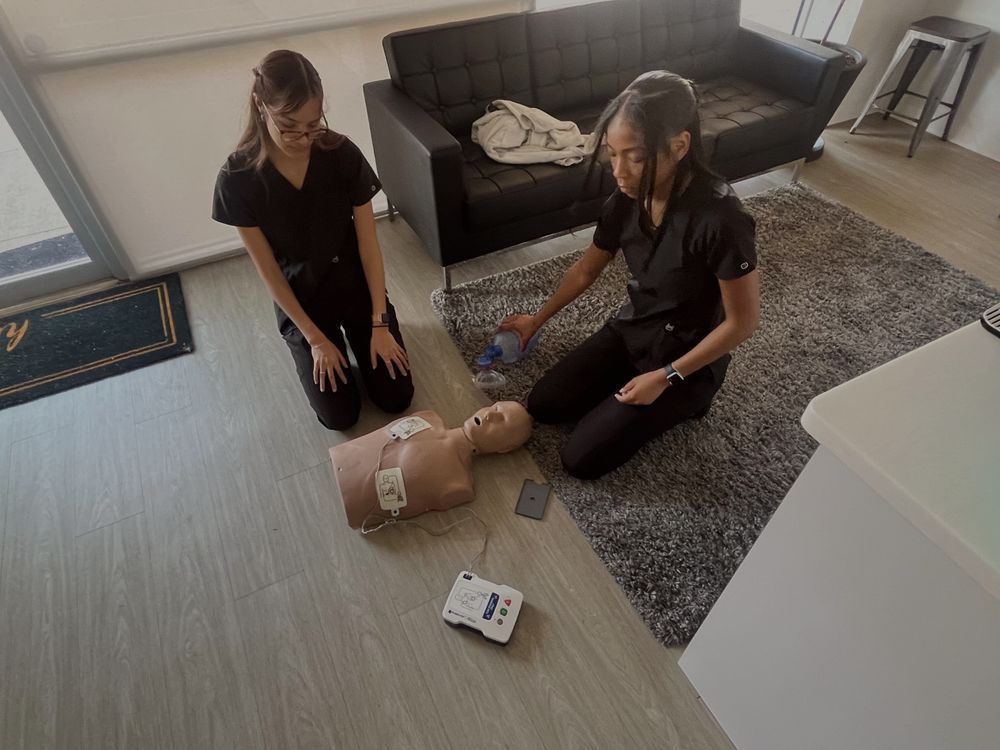
These aren’t topics you just read about — in a strong program, you practice them under supervision until the process feels natural.
Section 2: Administrative and front-office skills
Medical assistants often wear multiple hats. The administrative side of training prepares you for tasks like:
- Scheduling and appointment management — coordinating patient flow so the office runs smoothly
- Insurance verification and billing basics — understanding how claims work and what information needs to be collected
- Electronic health records (EHR) — navigating software systems to document visits, update charts, and process orders
- Patient intake and communication — greeting patients, collecting histories, and making sure they feel informed
- HIPAA compliance — understanding patient privacy regulations and how they apply to daily workflow
The best medical assistant training programs teach clinical and administrative skills together, because that’s how the job actually works.
Section 3: Why hands-on practice matters
Reading about how to take blood pressure is not the same as wrapping a cuff around a real arm and listening for Korotkoff sounds. The gap between knowing something and doing it confidently is where hands-on practice comes in.
At Dallas Medical Assistant School, supervised practice is woven throughout the program. That means you’re not saving all the practical work for the final week — you’re building skills progressively, getting instructor feedback, and developing muscle memory with real equipment.
Section 4: How long does training take?
Most medical assistant training programs can be completed in a matter of months — significantly faster than a two-year or four-year degree. The goal is focused, efficient training that gets you job-ready without unnecessary delays.
See how our program is structured: Program details.
Section 5: What happens after you finish?
Completing a training program opens the door to entry-level medical assistant jobs in clinics, physician offices, outpatient centers, and specialty practices in Dallas. Many programs also include externship components that give you real-world experience before you start applying.
Dallas Medical Assistant School supports students through career readiness, resume preparation, and job search guidance.
Section 6: How to get started
- See the full curriculum: Program details
- Review tuition and payment options: Tuition
- Ask questions: Contact
- Apply: How to apply
You're only a few months from the medical assistant career you deserve.